
The evolution of gambling tracing the roots of risk and chance
The Origins of Gambling
The history of gambling is deeply rooted in human culture, tracing back thousands of years. Archaeological findings suggest that ancient civilizations, from the Chinese to the Egyptians, engaged in various forms of games of chance. These early activities were often tied to religious and cultural practices, where dice made from bone or wood were used in rituals or as entertainment. Interestingly, the rise of modern entertainment has led to the emergence of the top 20 online casinos uk, illustrating how interconnected risk and belief systems were and remain today.
As societies evolved, so too did gambling practices. The transition from informal games to structured gambling setups marked a significant shift. The introduction of gambling houses in ancient Rome and Greece provided a formalized environment where individuals could wager on various events, leading to increased popularity. This evolution illustrates how gambling transitioned from a personal or communal activity to a more commercial enterprise, laying the groundwork for the casinos we see today.
The Rise of Modern Casinos
The modern casino as we know it began to take shape in the 17th century, particularly in Italy with the establishment of the first official gambling houses. These venues were characterized by organized games and a social atmosphere, attracting patrons from various walks of life. The concept quickly spread across Europe, leading to the creation of iconic establishments in places like Monte Carlo and Las Vegas. Casinos became symbols of luxury, leisure, and risk, highlighting the thrill that chance brings to human experiences.
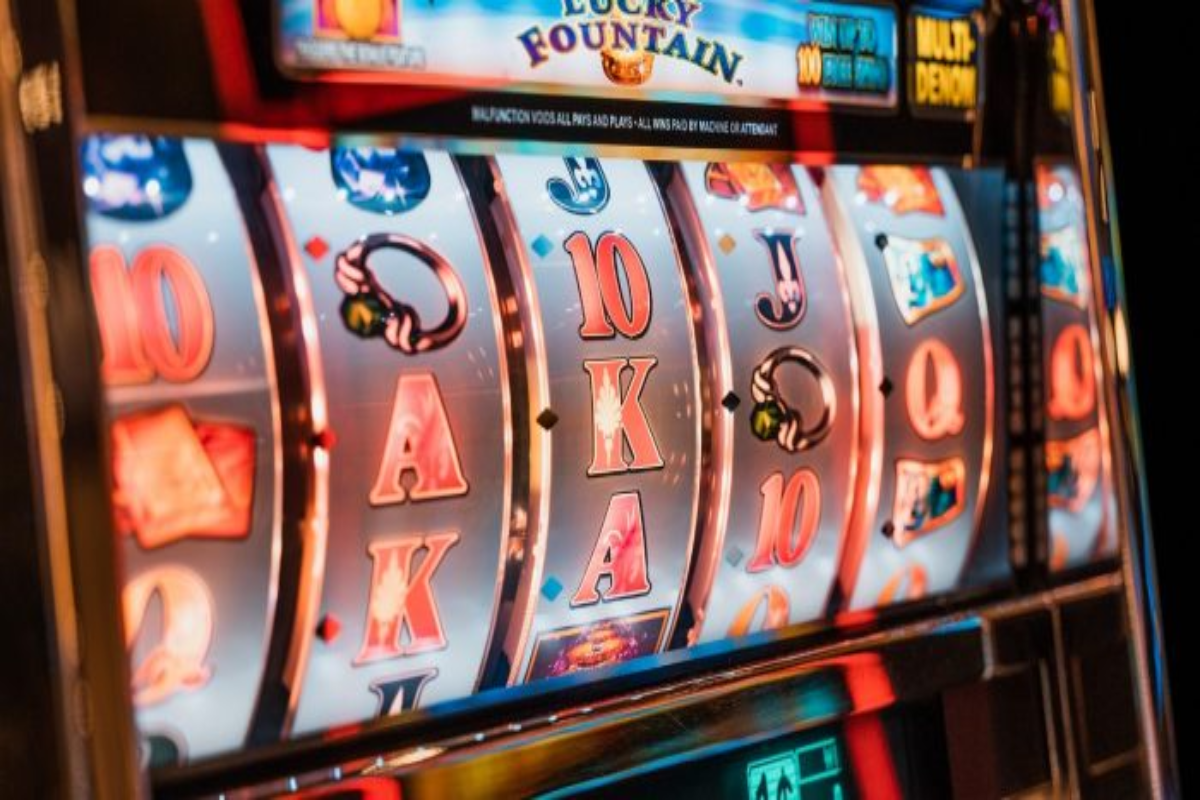
As the gambling industry grew, it adapted to cultural and legal shifts. The legalization of gambling in numerous jurisdictions led to the diversification of games and betting formats. This not only broadened the appeal of casinos but also changed societal perceptions, with gambling evolving from a vice to a legitimate form of entertainment. Modern casinos now offer a wide array of games, from slot machines to table games, each rooted in the ancient desire for risk and reward.
The Psychological Appeal of Risk and Chance
The allure of gambling is often linked to the psychological factors that draw individuals to risk-taking. Studies have shown that the brain’s reward system is activated during gambling, releasing dopamine and creating feelings of excitement and pleasure. This biological response explains why many are compelled to engage in gambling, despite the inherent risks involved. The thrill of chance stimulates a sense of adventure, enticing players to test their luck.
Moreover, the unpredictability of outcomes plays a significant role in the gambling experience. Players are often attracted to the idea of winning against the odds, which taps into a fundamental aspect of human nature—hope. This combination of risk and chance not only enhances the entertainment value of gambling but also fuels an ongoing relationship with the activity, as individuals seek both the highs of winning and the lessons learned from losses.
The Cultural Impact of Gambling
Gambling has had a profound impact on various cultures throughout history. From ancient rituals to contemporary entertainment, the practice reflects societal values, norms, and attitudes toward risk. In some cultures, gambling is celebrated as a rite of passage or a way to foster community bonds, while in others, it is stigmatized and viewed as a moral failing. This dichotomy illustrates how gambling serves as a mirror to societal beliefs about fortune and fate.
Additionally, the portrayal of gambling in literature, film, and media has further cemented its place in popular culture. From classic novels to modern blockbusters, the narratives surrounding gambling often explore themes of chance, risk, and human nature. This cultural representation not only entertains but also prompts discussions about the implications of gambling, shaping perceptions and influencing behaviors across generations.

Understanding the Modern Gambling Landscape
In today’s digital age, the landscape of gambling has transformed dramatically. The advent of online casinos has revolutionized how individuals engage with games of chance, making them more accessible than ever. This shift has prompted a reevaluation of traditional gambling practices and has introduced new forms of play, such as sports betting and virtual gaming. The rise of technology has made it possible for gamblers to experience the thrill of risk from the comfort of their homes.
This evolving environment also raises important considerations regarding regulation and responsible gaming. As the industry grows, so does the need for measures to protect players from potential harm. Many online platforms are now implementing safeguards to promote responsible gambling, reflecting an understanding of the psychological factors at play. These developments highlight the ongoing evolution of gambling and its relationship with society, emphasizing the importance of balancing enjoyment with responsibility.